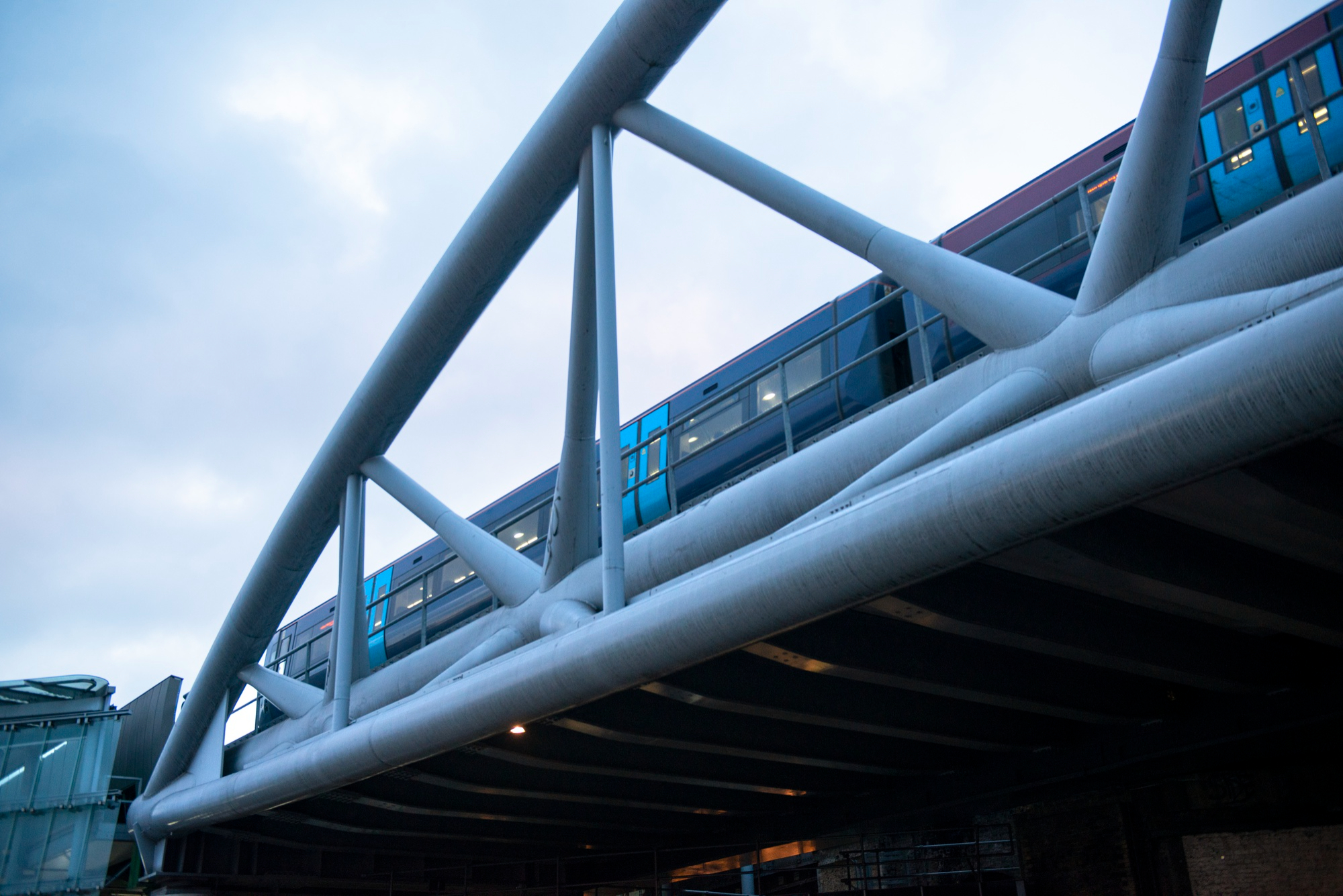
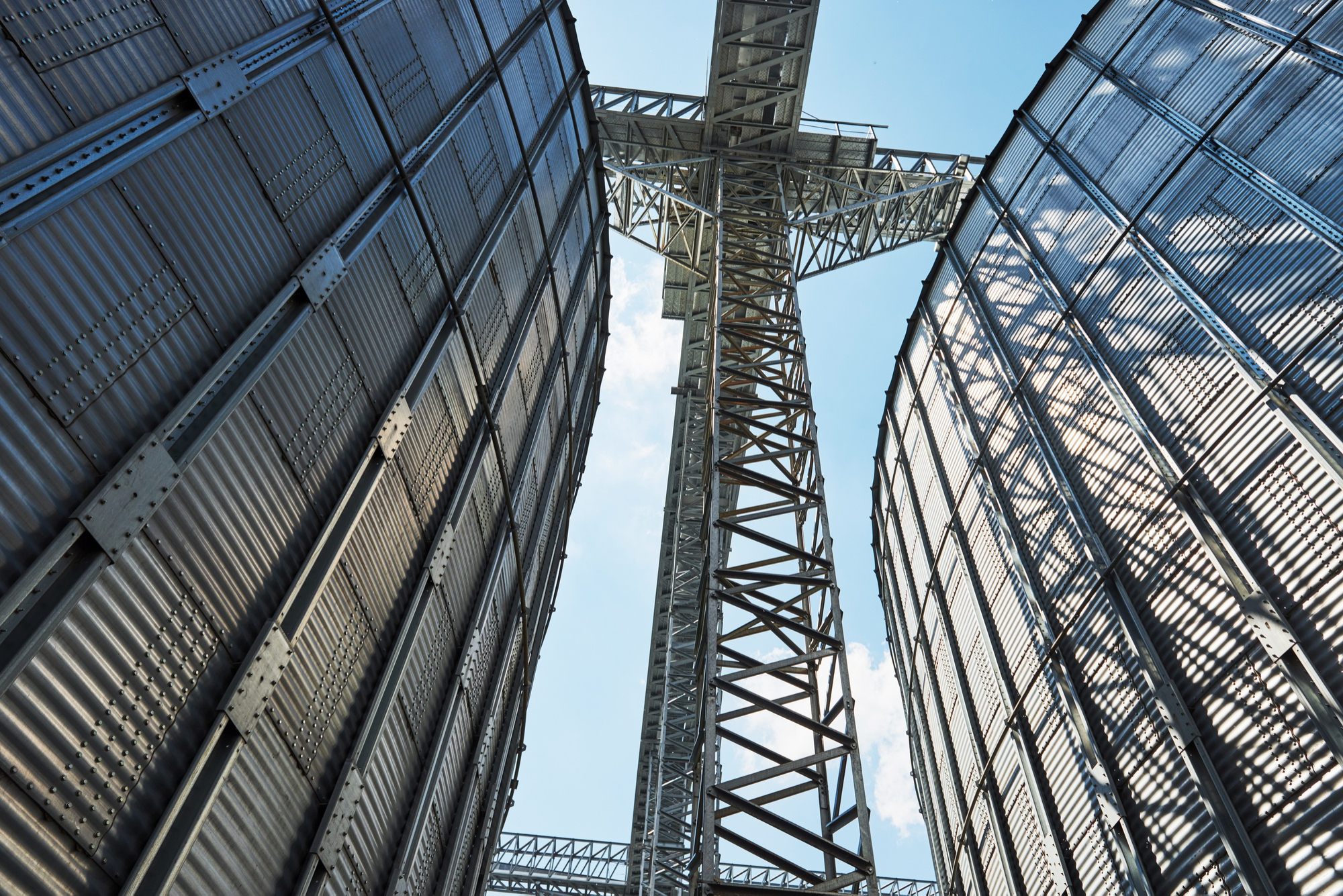
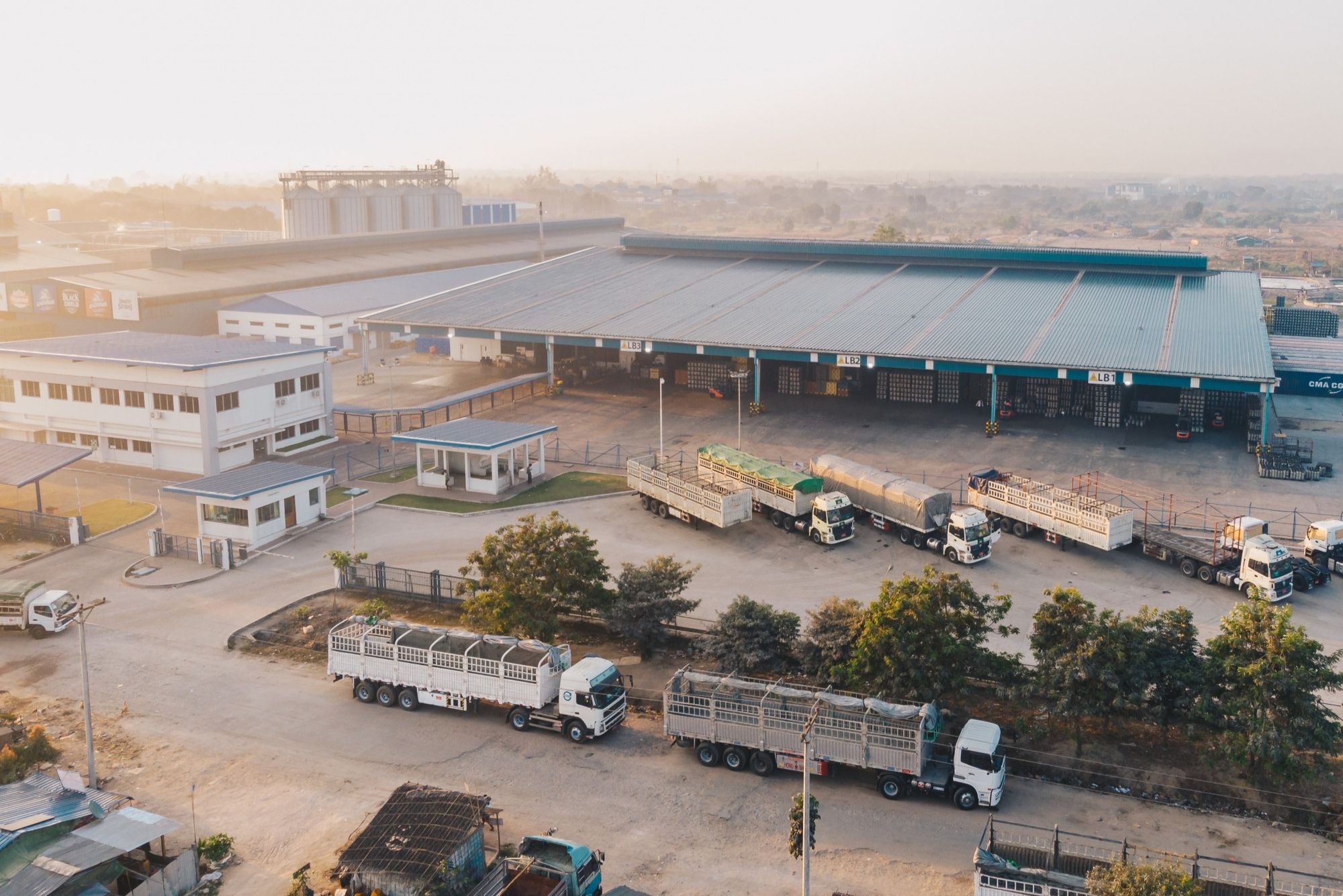
Heavy steel structure projects include factories, industrial facilities, airports, bridges, warehouses, and other large-scale constructions that require high engineering precision and strong structural performance. In these projects, the production and installation of high-tonnage steel components require strict risk management and strong occupational safety standards.
To complete projects safely, efficiently, and sustainably, risks must be identified in advance and workplace safety procedures must be implemented without exception. Especially during the transportation, lifting, and installation of heavy steel components, professional control systems are essential.
1. The Role of Risk Management in Project Success
Risk management is one of the most important factors in preventing workplace accidents and maintaining project continuity in heavy steel structure projects. Projects that begin without proper risk analysis often face serious safety issues and increased financial losses.
Effective risk planning improves site safety, reduces downtime, and protects operational efficiency throughout the project lifecycle.
2. Heavy Lifting and Transportation Safety
One of the most critical stages in steel construction projects is the lifting and transportation of heavy structural components. Crane operations, load balancing systems, and lifting plans must be prepared professionally and carefully.
Incorrect lifting techniques can cause severe accidents and structural damage, which is why regular equipment inspections are mandatory.
3. Working at Height Safety
Steel construction assembly often requires workers to operate at significant heights. Therefore, working-at-height safety procedures play a major role in preventing serious accidents.
Safety harnesses, lifelines, protective nets, and secure working platforms must be fully implemented, and all personnel must receive proper safety training.
4. Safety in Welding and Assembly Processes
Welding operations can create serious risks such as fire hazards, gas leaks, and equipment failures. Welding areas must be carefully planned and supported with active fire prevention systems.
Additionally, connection points and assembly accuracy must be strictly controlled to maintain overall structural safety.
5. Certification and Occupational Safety Standards
International standards such as ISO 45001 Occupational Health and Safety Management Systems provide systematic safety management throughout the project. Certified welders, crane operators, and site personnel are also essential for maintaining professional standards.
Documented safety procedures improve both worker protection and overall project quality.
6. Continuous Inspection and Training Processes
Occupational safety is not a one-time process but a continuous management system that must remain active throughout the entire project. Regular site inspections, equipment checks, and employee safety training help minimize risks.
Especially in large-scale projects, continuous monitoring is one of the most effective ways to prevent workplace accidents.
Conclusion
Risk management and occupational safety standards in heavy steel structure projects are not only legal requirements but also fundamental elements of project success.
With proper planning, professional site management, and full compliance with international safety standards, projects become safer, more efficient, and more sustainable in the long term.