Large-scale steel structure projects include airports, industrial facilities, logistics centers, stadiums, manufacturing plants, and many other projects that require high-tonnage steel construction systems. In these projects, not only engineering quality but also strong production capacity plays a major role in project success.
Production capacity directly affects project delivery schedules, quality control, cost management, and operational efficiency. Especially in high-tonnage projects, insufficient manufacturing infrastructure can lead to serious delays and increased project costs.
1. Strong Production Infrastructure for On-Time Delivery
Delivery deadlines are extremely important in large-scale construction projects. Delays in the production of steel components can directly impact the entire project schedule.
Facilities with high production capacity can manage multiple manufacturing processes simultaneously and ensure project timelines remain under control.
2. Maintaining Quality Consistency
During intensive production periods, strong quality control systems are essential. Production capacity is not only about quantity but also about maintaining consistent quality standards.
Companies with professional manufacturing infrastructure can perform large-scale production without compromising structural quality or compliance standards.
3. Cost Control and Operational Efficiency
Insufficient production capacity often increases the need for outsourcing, which can significantly raise project costs. In addition, poor production planning can negatively affect logistics operations.
Strong production capacity allows processes to be managed more efficiently, improving operational performance and cost control.
4. Flexible Project-Based Manufacturing
Every large-scale steel structure project has unique technical requirements. Companies with strong production capacity can apply project-specific design and manufacturing solutions much faster.
This flexibility creates major advantages, especially in projects that require custom engineering solutions.
5. Supporting Logistics and Delivery Processes
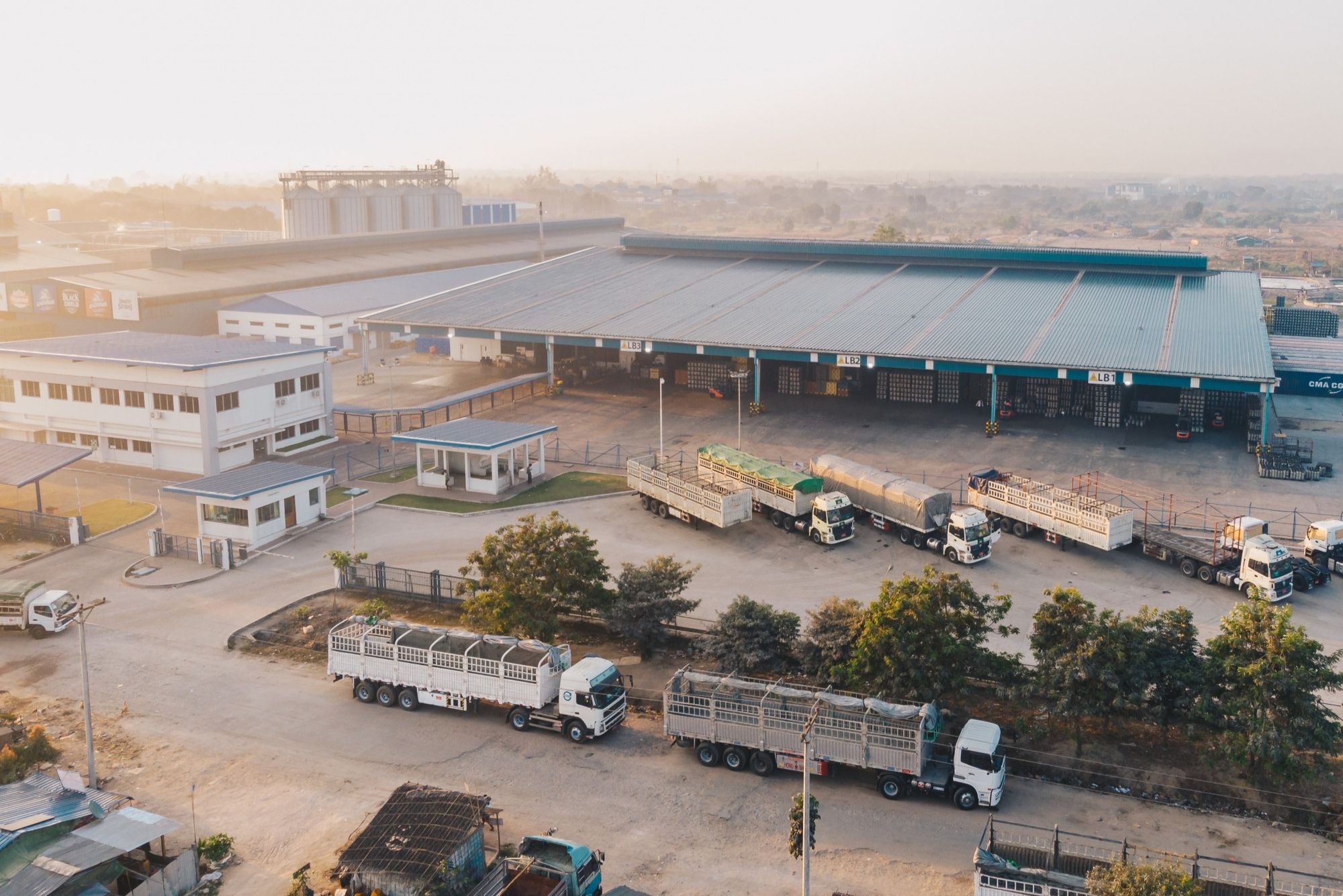
In steel structure projects, logistics planning is just as important as manufacturing. Facilities with strong production capacity can organize shipments according to the project schedule.
This ensures smooth on-site assembly operations and helps prevent labor losses caused by delivery delays.
6. Competitive Strength and Project Reliability
In major projects, investors look for more than competitive pricing—they also seek reliable production infrastructure. High production capacity demonstrates that a company can complete projects on time and with consistent quality.
This strengthens brand reliability and helps establish long-term business partnerships.
Conclusion
Production capacity is one of the most important factors that determine the success of large-scale steel structure projects. Strong manufacturing infrastructure ensures on-time delivery, quality control, cost advantages, and sustainable project management.
Steel construction projects supported by professional production facilities create safer, more efficient, and more reliable results for both investors and contractors.